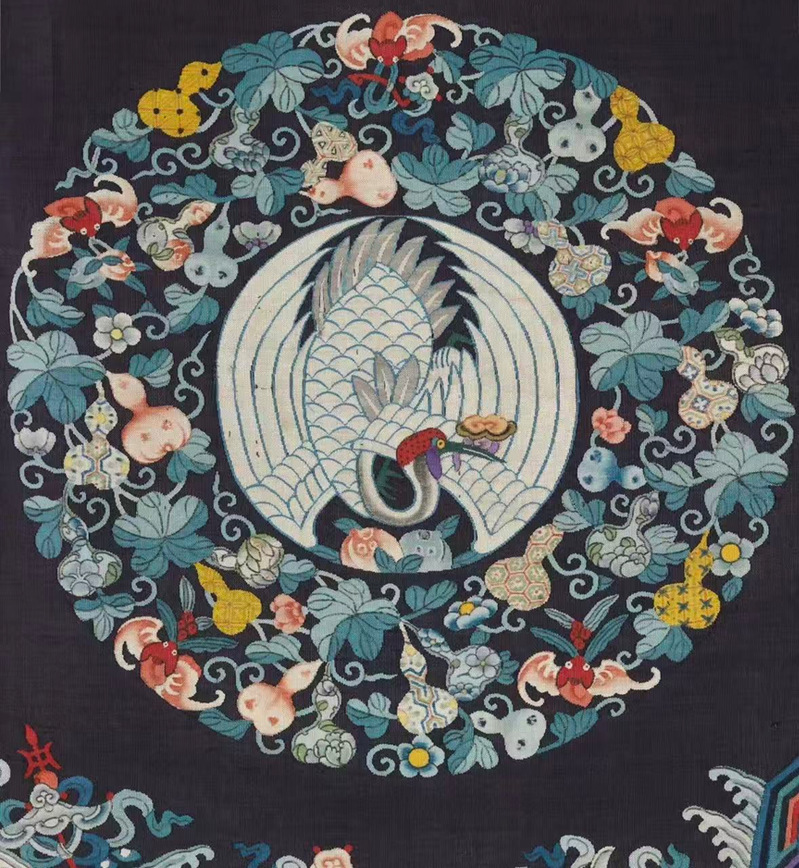
清代服饰的变革,使延续数千年的汉族传统服饰形制发生重大改变。这场融合了满汉文化与封建礼制的衣饰变革,以“旗装箭袖、补授章”的形制,铺陈出素缕纹下的“衣冠史诗”。它是中华服饰里最擅以纹载道的 “立体典章”,既将绸缎之华绽于朝堂的肃穆、闺阁的婉约,也以 “盘扣锁情、花钿缀雅” 的细腻工巧,糅着盛京的苍劲与苏杭的温婉,藏着王朝更迭的厚重与礼乐文明的深邃。
今天,就让我们一同踏入清代服饰的瑰丽天地,探寻这份绣在绫罗锦绣里的历史底蕴吧!本期让我们跟随商务英语2503班朱锶怡同学的脚步,徜徉于缀着朝珠光泽的宫墙与荡着旗鞋声响的市井长街,感受这份独属于清代服饰的庄重与雅致。
大家好,我是来自商务英语2503班的朱锶怡,爱英语爱音乐,喜欢看书和美食。
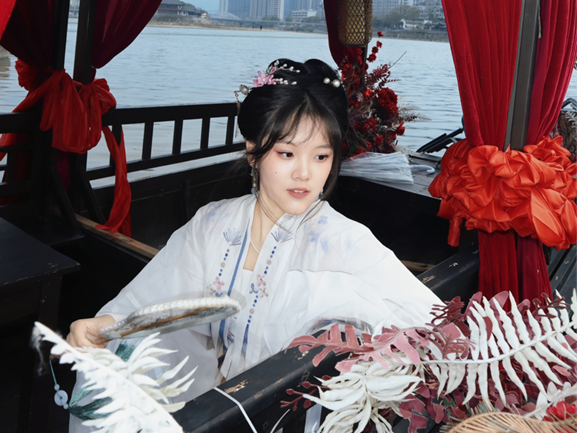
Costume in the Qing Dynasty
The organization of political power mainly consisted of the rulers of the Manchu ethnic minority in the Qing Dynasty (1644-1911), so the customs of Manchu bannermen affected those of the Central Plains. The traditional dress code that had been handed down for several thousand years was damaged because of the invasion of the Eight Banners soldiers. It might be said that this innovation was another improvement of China's traditional dress code. It was the third obvious revolution after the Mongol Costumes for Arrow Shooting on Horseback and the Open Dresses of the Tang Dynasty in the history.
Women's Costume in the Qing Dynasty
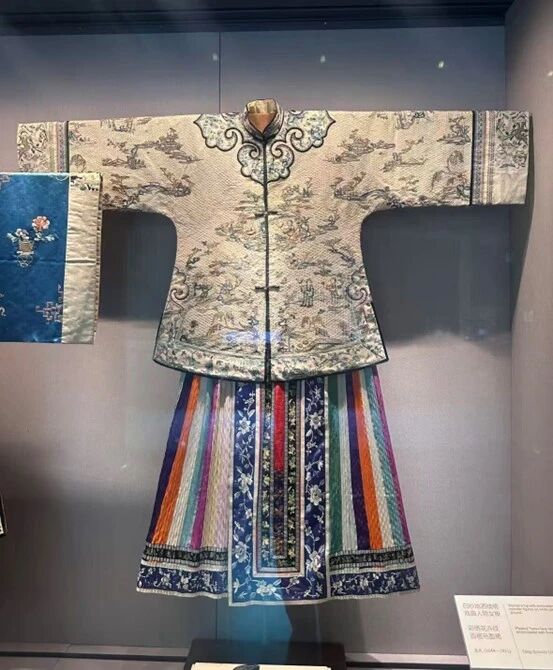
Women's dresses included court, ceremonial and casual costumes. The code of court costume was prescribed as specific dresses for women from the queen to wives or mothers of the seven-rank officials. Ceremonial costume referred to auspicious dresses and mourning apparels. Women's dress for wedding, funeral and birthday were prescribed according to their ranks. Casual costume had various styles.
There was strict stipulation governing women's daily costume and the dressing styles were bound by laws. It was stipulated that servants, actors and laborers were forbidden to wear clothes made of high-grade materials, such as thread, thin silk, yarn, damask silk, satin, fabric, fine fur, fine wool, cyan materials. What's more, they were untitled to freely use pearl, jade, gold, silver, precious stones and other valuable materials as adornments. Materials of their clothes were limited to ko-hemp cloth, tatting cloth, hirsute, tussah silk, and fur of racoon dog, sheepskin and other low-grade materials.
Men's Costume in the Qing Dynasty
Men's costume mainly included long gowns and mandarin jackets, and the sleeve ends employed the horse-hoof shape for the first time. The structure of a long gown was simple, with erect collar and straight main body. Most long gowns had bigger inner piece on the right side. Both back and front parts had seams, and the lower hem might have two splits, four splits or no split.
Costume of imperial nobles included long gowns with splits on four sides, facilitating shooting arrow on horseback. Long gowns of common people just had two splits on the left and right sides or had no split. The latter was clothes that people wore during entertainment. Mandarin jackets worn over long gowns did not reach the knees, and sleeves were wider and shorter. It was fashionable to wear ornaments in the Qing Dynasty.
Jackets were the most popular dress among men's costumes, and mandarin jackets were one of the four costumes of Manchu men, namely ceremonial robes, casual gowns, rain jackets and Mandarin jackets fell into several types: unlined single-layer, interlining and cotton. They were usually azurite, dark purple or black. Top-grade mandarin jackets in the Qing Dynasty was the Yellow Mandarin Jacket, which was the highest reward from the emperor and only four types of people were entitled to get it: trusted subordinates of the emperor, ministers who presented rare birds or beasts to the emperor, senior officials with great contribution to war, and court envoys.
本文摘录自中国文化网2008-1-28
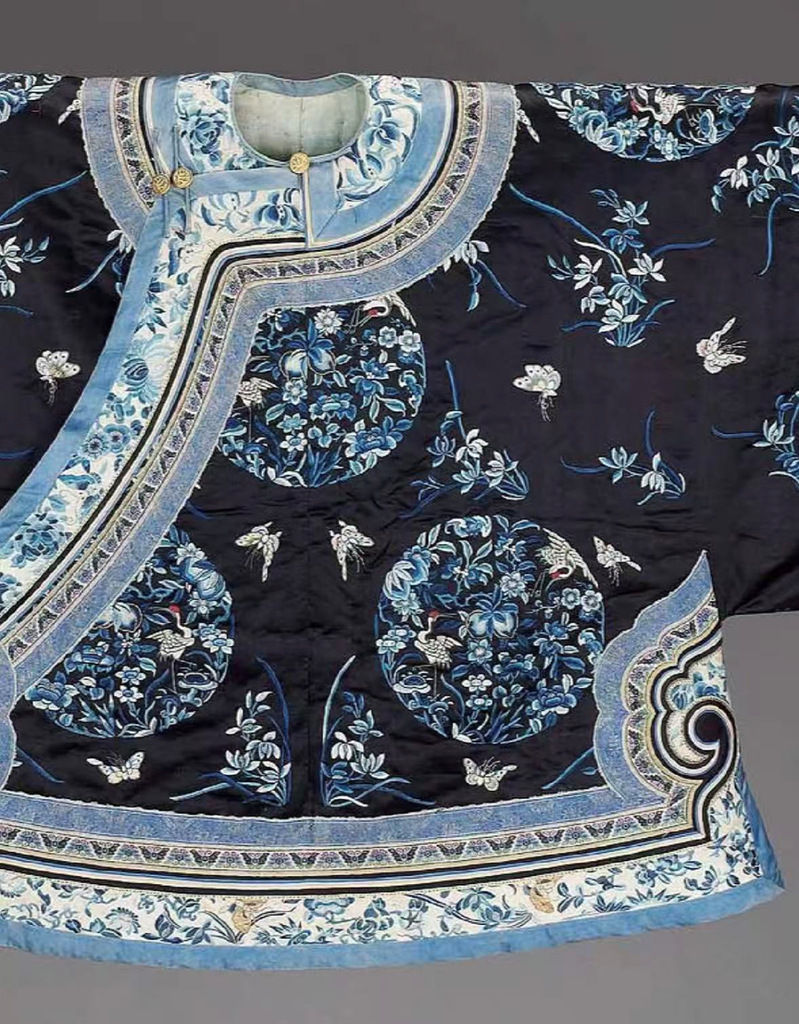
清代服饰
清朝(1644—1911)的政权主体由满族统治者构成,因此满族旗人的习俗对中原地区产生了深远影响。传承数千年的传统服饰制度,因八旗军队入关而发生变革。可以说,这次服饰的变革是中国传统服饰制度的又一次发展,也是继元代骑射服饰、唐代袒胸服饰之后,中国服饰史上的第三次显著变革。
清代女子服饰
清代女子服饰分为朝服、吉服和常服三类。朝服制度有着明确规定,上至皇后,下至七品官员的妻、母,皆有专属的朝服样式。吉服则涵盖吉礼服饰与丧礼服饰,女子在婚嫁、丧葬、寿辰等场合的着装,均需严格依照自身的品级穿戴。常服的款式则更为丰富多样。
清代对女子日常服饰有着严苛的规定,着装样式受法律约束。朝廷明令禁止奴仆、优伶、工匠等群体穿着绫、罗、绸、缎、锦、纻丝、貂皮、猞猁皮、青色面料等高档材质的衣物。不仅如此,这类人群也无权随意使用珍珠、玉石、金、银、宝石等贵重材料制作饰品。其衣物的面料仅限葛布、土布、粗毛布、柞丝绸,以及貉皮、羊皮等低档皮毛。
清代男子服饰
清代男子的主要服饰为长袍和马褂,袖口处首次采用了马蹄袖的设计。长袍的形制较为简约,立领,衣身直裁,多数长袍的右襟内侧会多加一块布料。衣身前后均有开缝,下摆则有两开衩、四开衩和无开衩之分。
皇室贵族所穿的长袍为四开衩样式,便于骑马射箭;普通百姓的长袍多为左右两开衩或无开衩,无开衩的长袍通常是人们日常休闲时穿着的服饰。外搭在长袍之上的马褂,衣长不及膝盖,袖口宽而短。清代男子盛行佩戴各类饰物。
褂子是清代男子最为普及的服饰,而马褂更是满族男子的四大服饰之一,另外三种分别是朝袍、常服袍和雨衣。马褂分为单、夹、棉三种款式,颜色多为石青色、深紫色或黑色。清代等级最高的马褂是黄马褂,它是皇帝赏赐的最高荣誉,仅有四类人有资格获赐:皇帝身边的近侍亲信、向皇帝进献珍禽异兽的朝臣、军功卓著的高级武官,以及奉旨出使的朝廷使臣。
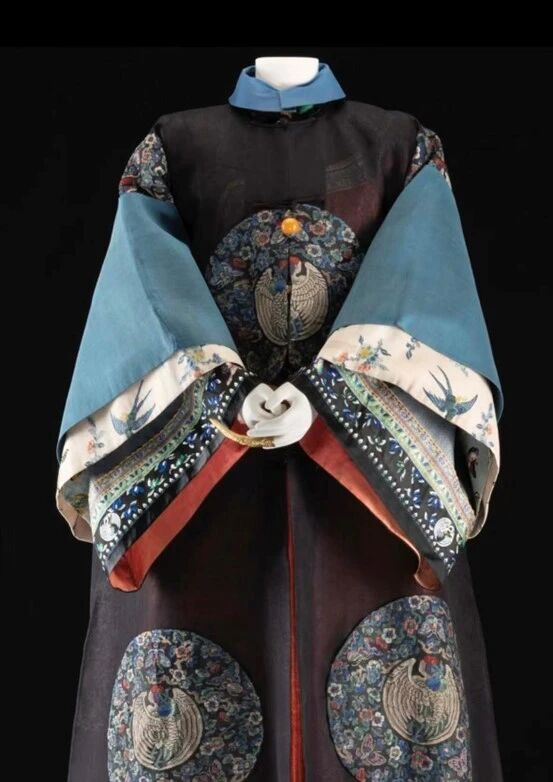
Stipulation 规定
Forbid 禁止
Entitle 使享有权利
Facilitate 使便利
Ceremonial 仪式的
Ornament 装饰
Contribution 贡献
Govern 统治
Innovation 创新
Question 1:What was a new design applied to the sleeve ends of men's costumes in the Qing Dynasty?
A. The flared shape for decoration
B. The horse-hoof shape for the first time
C. The narrow shape for convenience
D. The ruffled shape for elegance
Answer:B
解析:答案对应原文 Men's Costume in the Qing Dynasty 部分。该段明确提到 “Men's costume mainly included long gowns and mandarin jackets, and the sleeve ends employed the horse-hoof shape for the first time”,这是清代男子服饰袖口的新设计。A 选项的 “喇叭形”、C 选项的 “窄口形” 和 D 选项的 “荷叶边形状” 均未在原文提及,故排除。
Question 2:Which of the following materials was allowed for servants, actors and laborers in the Qing Dynasty?
A. Fine fur
B. Thin silk
C. Ko-hemp cloth
D. Satin
Answer:C
解析:答案对应原文 Women's Costume in the Qing Dynasty 部分。该段明确指出仆人、演员和劳动者的衣料仅限 “ko-hemp cloth, tatting cloth, hirsute, tussah silk, and fur of racoon dog, sheepskin and other low-grade materials”。A 选项的 “高档皮毛”、B 选项的 “薄丝绸” 和 D 选项的 “缎子” 都属于被禁止的高档面料,故排除。
Question 3:What was the highest - grade mandarin jacket as a royal reward in the Qing Dynasty?
A. The dark purple mandarin jacket
B. The black mandarin jacket
C. The cotton mandarin jacket
D. The Yellow Mandarin Jacket
Answer:D
解析:答案对应原文 Men's Costume in the Qing Dynasty 部分。该段明确提到 “Top-grade mandarin jackets in the Qing Dynasty was the Yellow Mandarin Jacket, which was the highest reward from the emperor”,这是清代作为皇家赏赐的最高等级马褂。A 选项的 “深紫色马褂”、B 选项的 “黑色马褂” 和 C 选项的 “棉质马褂” 均为普通款式,并非最高等级的赏赐服饰,故排除。