蒙古袍的第一缕绒线牵系着草原辽阔,编织千载,这份凝结着马背民族胸襟与气魄的匠心,便以宽摆束腰、立领镶边的形制,铺展了千里牧场上的华服史诗。它是中华服饰里最会以衣载魂的行走图腾,既将毡裘之暖藏于那达慕的欢腾、游牧的洒脱,也以彩绣镶边、纹样寄福的精湛技艺,融着长天的辽阔、青草的生机,藏着逐草而居的坚韧、与天地共生的哲思。
今天,就让我们一同走进蒙古袍的锦绣世界,品读这份藏在针脚绒线里的文化根脉吧!本期让我们跟随英语2504班杨照堃同学的脚步,穿行在飘着奶茶清香的毡包与扬着牧歌悠扬的草原旷野,感受这份独属于蒙古袍的豪迈与温柔。
大家好,我是英语2504班的杨照堃,是一个积极向上并且热爱舞台的人。

Mongolian robe
The Mongolians are a traditional nomadic people spread across East Asia. In China, it is one of the ethnic minorities inhabiting the vast grasslands in north China's Inner Mongolia Autonomous Region. Under blue skies and white clouds, the Mongolians' enchanting, gorgeous costumes and adornments add beauty to the lush grasslands.
According to archaeological data, Mongolian clothing originated from the ancient Chinese northern nomadic clothing. Over time, the Mongolians' clothing has evolved to include items such as robes, boots, belts and hats. The people have also worn jewelry as adornments. Such clothing has a lot to do with the nomadic lifestyle of the people on the northern steppe, where the temperature is low and the natural conditions are often inhospitable. Wearing robes, waistcoats, leather hats and boots, the Mongolians can withstand the harsh weather, and they can ride horses easily.
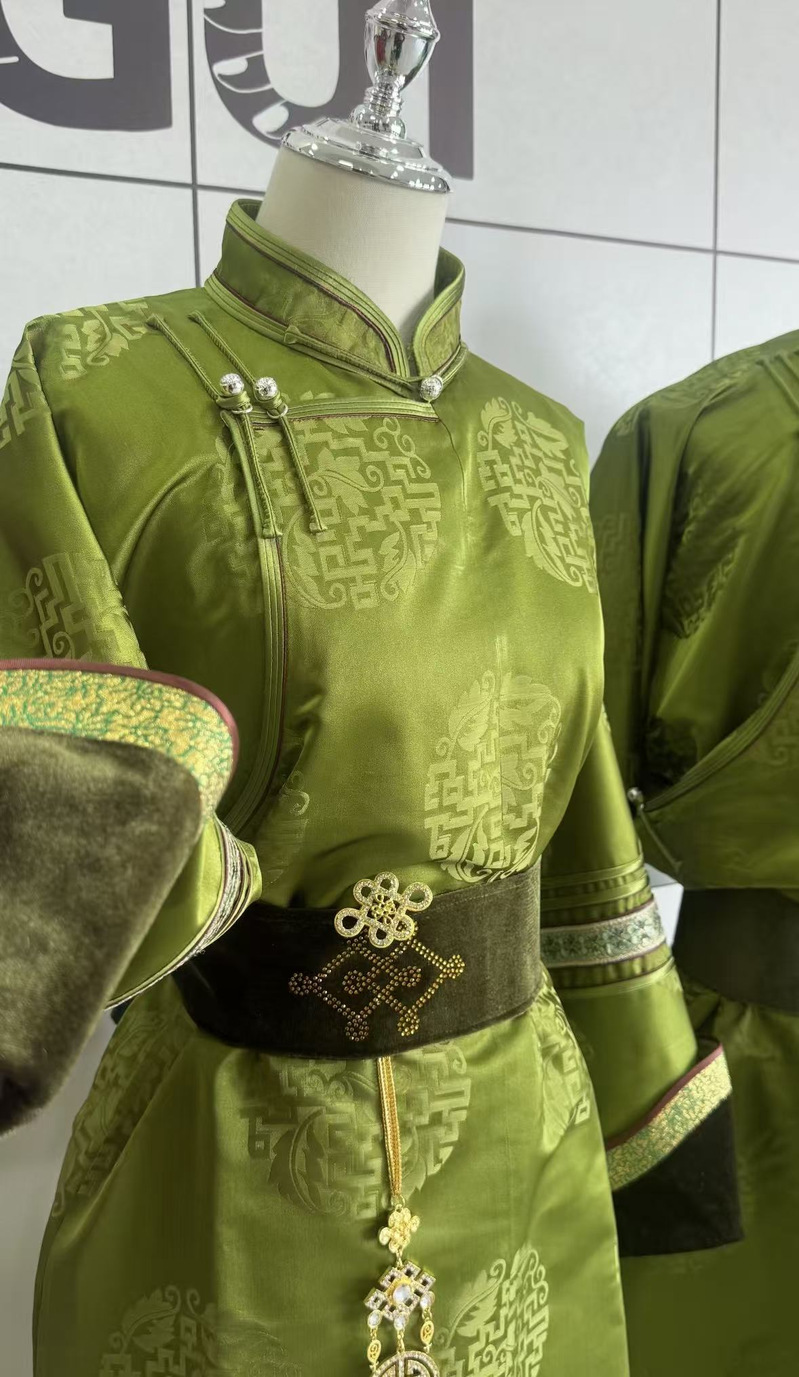
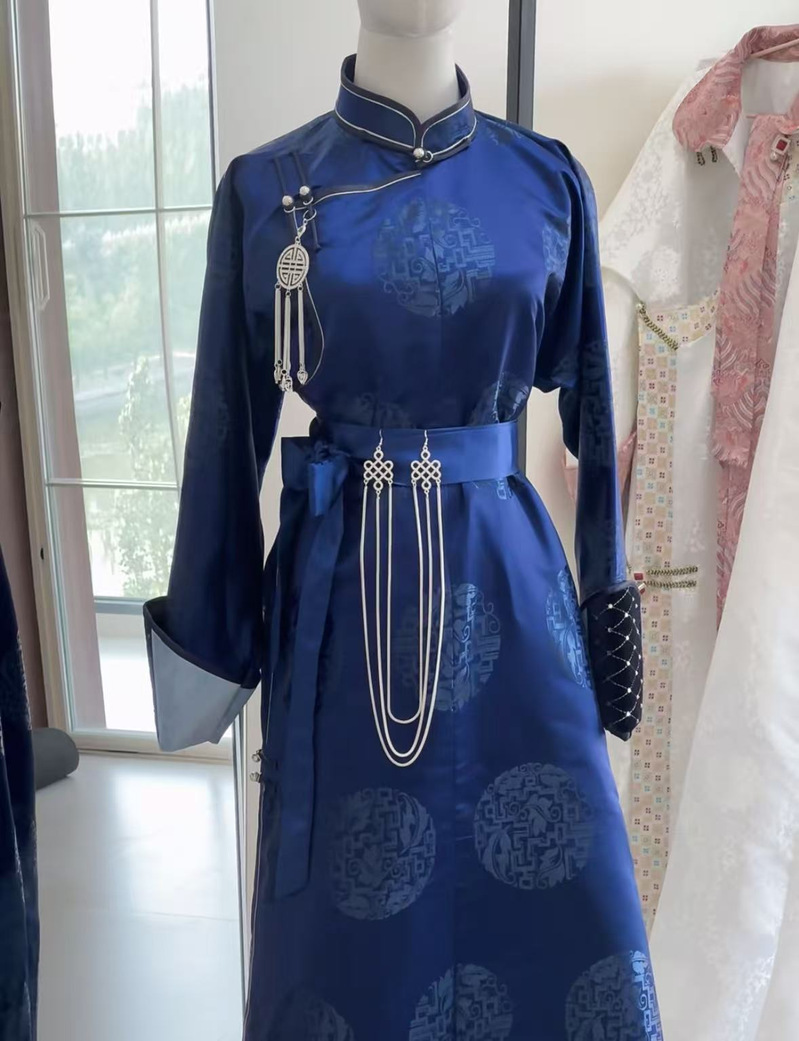
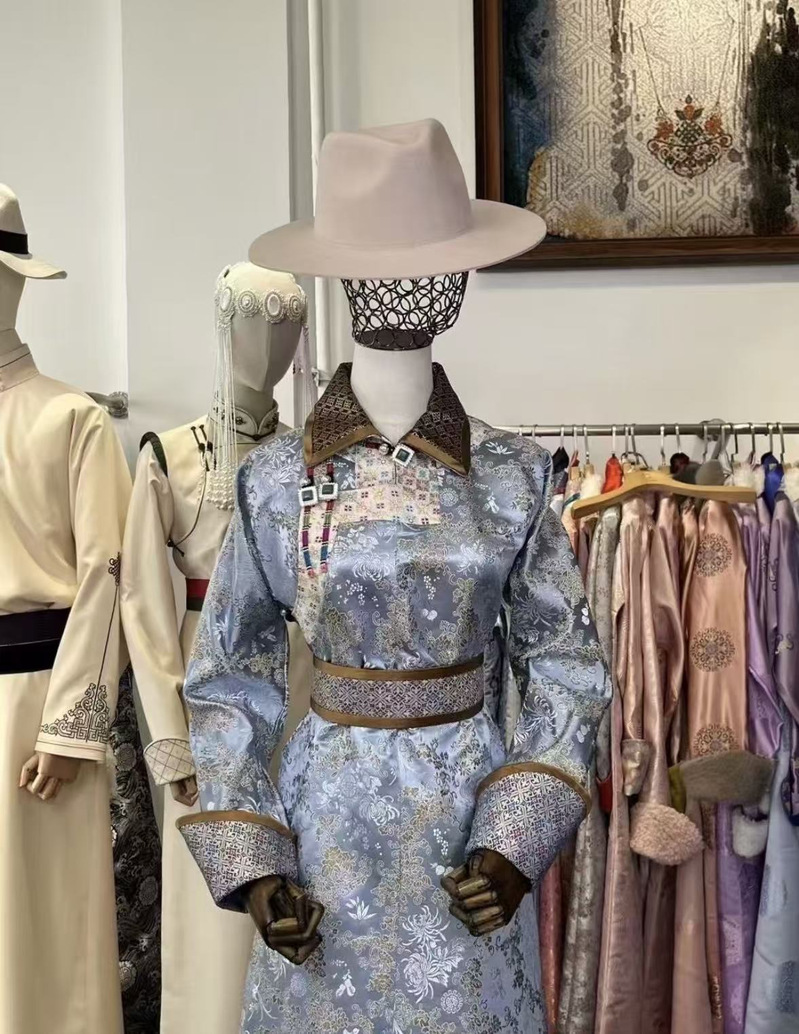
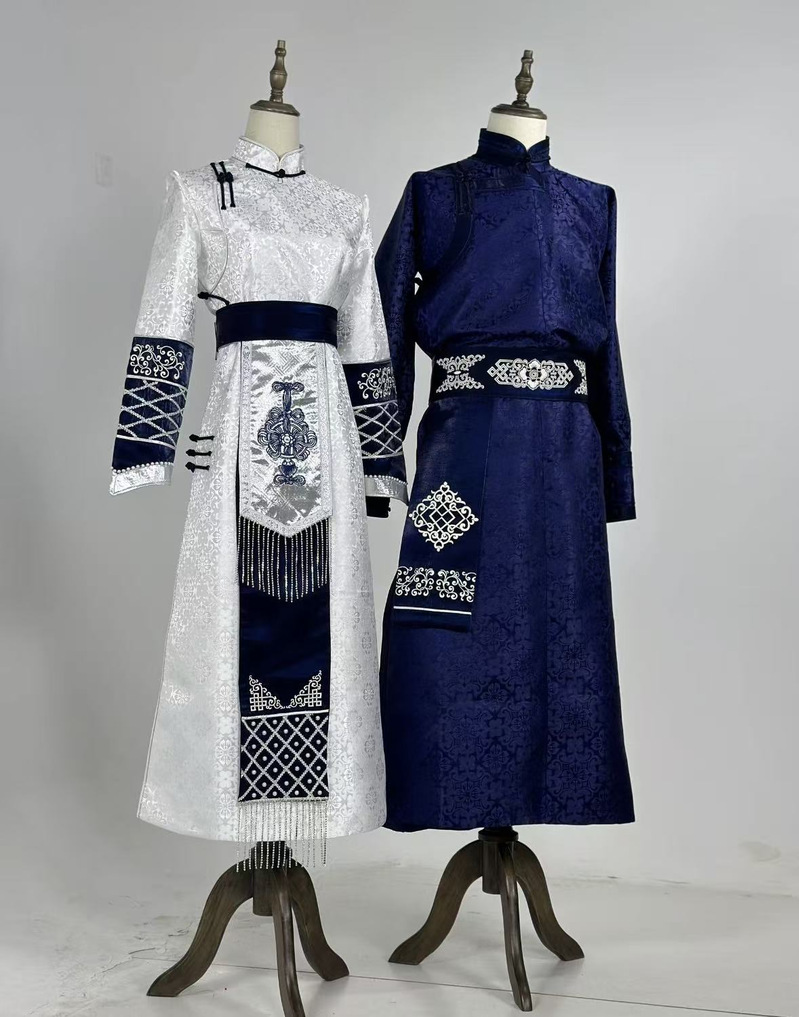
Due to the differences in natural environment, economic statuses and living habits, various Mongolian tribes have formed their own distinctive clothing styles. However, the styles of Mongolian robes, for both men and women, are basically the same. The Mongolians prefer bright colors, as they make them happy. The robes are all fastened with buttons at the front on the right. The hems are embroidered with golden and silver silk. Men's clothes, usually blue and brown, mostly have wide collars and big sleeves. Women wear clothes in various colors, including bright red, pink, green and sky blue. According to the Mongolian tradition, married and unmarried women's clothing is different.
In addition to making it easy for riders to place their feet in the stirrups, Mongolian boots help riders protect their legs. The boots can also protect the Mongolians from the wind and sand. In winter, the boots can keep the people warm. Therefore, the Mongolians, regardless of age, all like to wear boots.
Traditional Mongolian boots are home-made. Few people buy them at the market. The boots have a variety of styles, such as the ones with rolled-up toecaps, half rolled-up toecaps, flat bottoms, pointed toecaps, or the ones with round toecaps.
Mongolian boots basically fall into the following three categories according to their raw materials: Leather boots, cloth boots and felt boots. Leather boots, which are made from cowhide, horsehide or sheepskin, are durable and waterproof. Wearing the boots can help the people keep their feet warm. With special techniques, patterns are stitched or pasted onto different parts of the boots' surfaces. The Mongolians' cloth boots are mostly ankle boots, which are light and soft. The boots, which are embroidered with auspicious patterns, are favored by many Mongolian women.
Felt boots, which are made of wool or camel hair, are normally worn during bitter winter. Belts and hats are also important components of traditional Mongolian costumes. Belts have a unique function in the Mongolians' nomadic lives. A tightly-tied belt can help a Mongolian reduce harm caused by bumps, as he/she rides a horse. The belt can also help the man/woman protect his/her waist, and give support to his/her body during hard labor.
Mongolian men's belts are usually hung with firemakers, Mongolian knives, cigarette pouches, white-cloth handkerchiefs and other accessories. The belts, which are made of silk or cotton cloth, are three or four meters in length. Through the belts, one may get a glimpse of the aesthetic taste of the Mongolian people. For example, to make him look strong, a man wearing a belt usually keeps the upper part of the robe loose. Unmarried women look slimmer when they tie belts tightly around their waists. Married women usually do not wear belts.
Wearing jewelry and hats is also a traditional custom of the Mongolians. The first Mongolian hats were made of mink, fox skin and sheepskin. Later, cotton, linen, silk and other fabrics appeared. People of various Mongolian tribes prefer hats with different styles, such as eagle hats, bowler hats, peaked hats and snow hats.
Women of different ages, who live in different regions, wear different headwear accessories. Unmarried women usually wear earrings and bracelets. Their jewelry is simpler but more elegant than that of married women. Married women like wearing headdresses made from red coral, agate, turquoise, pearl, jade and other semi-precious stones.
The Mongolians take proper dressing seriously, as it shows both self-respect and respect for others. The people wear robes, boots and hats, especially during a sacrificial ceremony, to match the solemnity of the occasion. When serving tea or making a toast, they do not roll up their sleeves, nor expose their chests and necks, and/or sweep the hems of their robes over pots.
Nowadays, there are fewer occasions for the Mongolians to wear their traditional attire than in the past. Only during festivals, weddings, or at the Nadam Fair (a grand gathering in winter in the areas) do the Mongolians wear colorful traditional clothes.
The people's traditional costumes have become a symbol of the Mongolian culture, as the costumes embody the people's wisdom and aesthetic taste. Through the costumes, one may get a glimpse of the Mongolians' frankness and open-mindedness.
蒙古袍
蒙古族是东亚地区传统的游牧民族,在中国,蒙古族是居住在北方内蒙古自治区辽阔草原上的少数民族之一。蓝天白云下,蒙古族绚丽华美的服饰与佩饰,为葱郁的草原增添了别样的美感。
据考古资料记载,蒙古族服饰起源于中国古代北方游牧民族的服饰。历经岁月演变,蒙古族服饰逐渐形成了袍服、靴子、腰带、帽子等品类,佩饰珠宝也成为蒙古族服饰的重要组成部分。这样的服饰形制,与北方草原游牧生活息息相关——这里气温偏低,自然环境往往较为恶劣。身着袍服、坎肩,头戴皮帽、脚蹬皮靴的蒙古族民众,既能抵御严酷的天气,也能更便捷地骑马出行。
因自然环境、经济状况和生活习惯的差异,蒙古族各部落形成了各具特色的服饰风格,但男女蒙古袍的基本形制大体一致。蒙古族民众偏爱鲜艳的色彩,因为艳丽的颜色能让他们心情愉悦。蒙古袍均为右衽扣襟设计,衣襟下摆绣有金银丝线纹样。男性服饰多为藏蓝、棕褐等色调,大多是宽领大袖的样式;女性服饰则色彩丰富,艳红、粉红、翠绿、天青等颜色皆为常用。按照蒙古族的传统,已婚与未婚女性的服饰有着明确的区别。
蒙古靴不仅能让骑手更顺畅地将脚放入马镫,还能保护腿部,抵御风沙侵袭,冬日里更能起到良好的保暖作用。因此,蒙古族民众无论长幼,都喜爱穿蒙古靴。
传统蒙古靴多为手工制作,极少在市场上购买,款式十分丰富,有卷头、半卷头、平底、尖头、圆头等样式。
按制作原料划分,蒙古靴主要分为皮靴、布靴和毡靴三类。皮靴由牛皮、马皮或羊皮制成,结实耐磨且防水保暖,靴身各处还会通过特殊工艺缝贴各式纹样;布靴多为短筒踝靴,质地轻盈柔软,靴面绣有吉祥纹样,深受蒙古族女性喜爱;毡靴由羊毛或驼毛制成,是隆冬时节的必备的鞋子。
腰带和帽子也是蒙古族传统服饰的重要组成部分。腰带在蒙古族的游牧生活中有着独特的作用:骑马时系紧腰带,能减轻颠簸带来的伤害;劳作时,腰带可保护腰部,为身体提供支撑。
蒙古族男性的腰带上通常挂着火镰、蒙古刀、烟袋、白手帕等饰物,腰带多以丝绸或棉布制成,长度可达三四米。从腰带的搭配中,便能窥见蒙古族的审美意趣:男性系腰带时,常会让袍服上身保持宽松,尽显硬朗身姿;未婚女性则紧腰束带,勾勒出纤细的身段;而已婚女性一般不系腰带。
佩戴首饰、头戴帽子也是蒙古族的传统习俗。蒙古族最早的帽子以水貂皮、狐狸皮、羊皮为原料,后来逐渐出现了棉布、麻布、丝绸等面料的帽子。各部落民众对帽子样式各有偏爱,鹰形帽、圆顶礼帽、尖顶帽、雪帽等都是常见款式。
不同年龄、不同地区的蒙古族女性,佩戴的头饰也各不相同。未婚女性通常只戴耳环、手镯,首饰样式简约素雅;已婚女性则喜爱佩戴由红珊瑚、玛瑙、绿松石、珍珠、玉石等各类玉石制成的头饰。
蒙古族十分注重着装得体,这既是自尊的体现,也是对他人的尊重。在祭祀等庄重场合,人们必会身着袍服、脚蹬皮靴、头戴帽子,契合场合的肃穆氛围;奉茶、敬酒时,人们不会挽起衣袖,不会袒露胸颈,也不会让袍服下摆扫过器皿。
如今,蒙古族民众身着传统服饰的场合相较以往有所减少,只有在节日、婚礼,或是那达慕大会等草原盛会上,人们才会穿上色彩斑斓的传统服饰。
蒙古族传统服饰早已成为蒙古文化的象征,凝聚着民族的智慧与审美意趣,从这些服饰中,更能窥见蒙古族人民豪爽开朗的民族性格。
Nomadic 游牧的
Inhabit 居住于
Archaeological 考古学的
Evolve 演变
Inhospitable 不适宜居住的
Withstand 承受
Embroider 刺绣
Durable 耐用的
Solemnity 庄严
Question 1:Why are Mongolian robes, boots, belts and hats suitable for the nomadic lifestyle?
A.Because they are colorful and beautiful
B.Because they can help Mongolians withstand harsh weather and ride horses easily
C.Because they are easy to buy in the market
D.Because they are light for walking
Answer:B
解析:答案对应原文第二段。该段指出 Such clothing has a lot to do with the nomadic lifestyle of the people on the northern steppe... Wearing robes, waistcoats, leather hats and boots, the Mongolians can withstand the harsh weather, and they can ride horses easily,说明这些服饰能够抵御恶劣天气、方便骑马,非常适合游牧生活。
Question 2:What is one important function of a tightly-tied belt for Mongolians?
A.To make the robe look more colorful
B.To reduce harm caused by bumps when riding a horse
C.To carry more daily necessities
D.To keep the upper part of the robe warm
Answer:B
解析:答案对应原文第八段。该段提到 A tightly-tied belt can help a Mongolian reduce harm caused by bumps, as he/she rides a horse,说明系紧的腰带可以减轻骑马时颠簸带来的伤害。
Question 3:On which occasions do Mongolians mainly wear their traditional costumes nowadays?
A.On normal working days
B.During festivals, weddings and the Nadam Fair
C.On ordinary shopping trips
D.When doing daily housework
Answer:B
解析:答案对应原文倒数第二段。该段说明 Only during festivals, weddings, or at the Nadam Fair do the Mongolians wear colorful traditional clothes,指出如今蒙古族主要在节日、婚礼和那达慕大会上穿着传统服饰。