当现代染料的浓艳渐渐褪去浮躁,蜡染便携着一身素雅,静静铺展在时光的长卷。它是非遗技艺中最富灵气的 “蓝白诗人”,既将棉麻的质朴晕染成布料上灵动的蝶影、流淌的云纹,也以融蜡的温度延续着古法工艺的传承。
今天,就让我们一同走进蜡染的靛蓝天地,探寻这份藏在经纬间的东方雅致吧!本期让我们跟随翻译2503班宋欣泽同学的脚步,穿梭于染缸与晾架之间,触摸这份独属于传统技艺的温润与匠心!
蒲公“英'说书人
大家好,我是翻译2503班的宋欣泽。在课余时间我喜欢唱歌和画画,同时也是一个开朗的人。

原文:
Batik Art
If you ever go to southwest China's Guizhou Province, the hometown of batik, the batik clothes are likely to be the first things to catch your eyes.
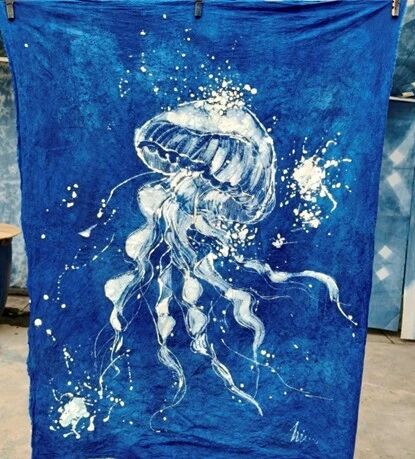
Batik is a traditional folk craftwork that has been handed down from generation to generation in China's southwest area. It is a way of dyeing cloth after it is coated with wax. Some of the designs on these batiks are bold, while others are fine and smooth. Wherever they are found, on garments, scarves, bags, tablecloths, bedspreads, curtains, and other decorative items, simplicity and elegancy is the always style.
There's a folktale about its origin. Long, long ago, there was a girl living in a stone village called Anshun, now a city in Guizhou Province. She was fond of dyeing white cloth into blue and purple. One day, while she was working, a bee happened to land on her cloth. After it flew away, she found there was a white dot left on the cloth, which looked very pretty. This discovery led to the use of wax in dyeing.
Minority women in Huangping, Danzhai, and some other minority place in Guizhou are very skilled in making batiks. As an indispensable part of their apparel, young girls learn to make batik, to weave, and to embroider at a very early age.
Batiks made in Guizhou must go through four necessary processes: waxing, painting, dewaxing and rinsing. The clothes usually used are a kind of local handmade white cloth, or some loom-made white cloth, floss silk or poplin will also do. Guizhou is rich in Lancao or indigo plant, a sort of knotweed plant with two to three chi's high (a unit of length), which blossoms in July and reaps in August. To make the dyes, its leaves are collected, and fermented in a pit until they are indigo in color. In Guizhou dye houses using indigo are found in every country fair, still, some people prefer buying indigo back home and dyeing cloth themselves.
A piece of white cloth is placed on a plain board or tabletop. Wax is put into a pottery bowl or metal pot and heated with charcoal until it has melted. Beeswax is mainly used. It doesn't dissolve in water unless the temperature is very high.
The painting tool is a specially designed knife formed by two or more pieces of same-shaped copper fixed to a wooden handle. It is slightly hollow in the middle and with the edge ajar, so it can hold the melted wax. Different patterns require different shaped knifes, like semicircular, triangular and axe shaped.
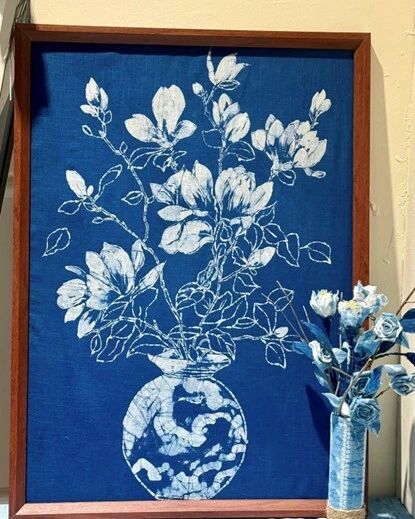
Painting is the most delightful part. A brief outline is drawn before the various patterns are painted on. They range from flowers, birds, fishes, paper-cut patterns, to folklore tales and assorted geometric shapes. Each ethnic group has its own style.
Then the wax-covered cloth is dipped in the indigo vat for about 45 minutes. In the past, this took from five to six days. The wax on the cloth often cracks after it hardens. The cloth is then dyed and the dyes seep into the cracks and make fine lines, which are the so-called ice veins. These ice distinguish genuine batik clothes from the imitated ones.
When the time has elapsed, the cloth is removed and boiled in water to remove the wax. Then, in the final stage, the cloth is rinsed with clear water. After that, beautiful patterns in blue and white appear on the cloth. That's the batik.
Sometimes, people want light and deep blue colors in the same piece of cloth. How is it done? Well, it's quite easy, just re-wax the part you need to deepen, and dip the whole cloth into the dye once again.
If you want colored batik, you can either paint the colorful design first before dying it or follow the common dying method, after it airing, then fill the color. As for color dyes, waxberry juice is usually used to produce a red color, and yellow gardenia to make yellow.
Most of the work involved in making batiks is done by hand. So far, it still can't be produced by machines. These days, batik is gradually developing into an art rather than daily dress, as modern artists are adding more cultural factors and techniques into their creation
本文摘录自CRI.com 2004-03-31
译文:
蜡染艺术
倘若你前往中国西南部的贵州省——这座素有“蜡染之乡”美誉的地方,映入眼帘的第一件物品,很可能就是蜡染服饰。
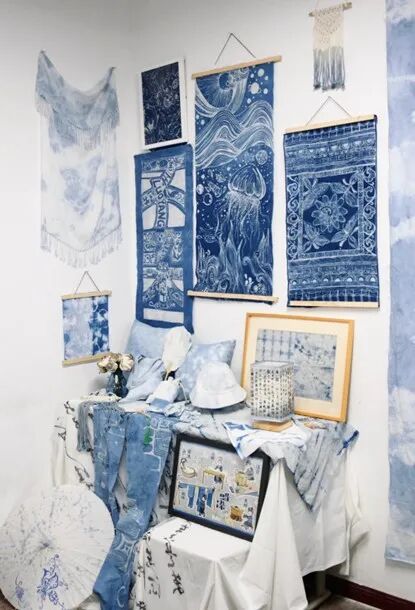
蜡染是中国西南地区代代相传的传统民间工艺,其技法是先在布料上涂蜡,而后再进行染色。蜡染制品上的图案,有的粗犷奔放,有的细腻流畅。无论是服饰、围巾、包包、桌布、床罩、窗帘,还是其他各类装饰品,蜡染的风格始终都透着一股简约与雅致。
关于蜡染的起源,还有一则民间传说。很久很久以前,在如今贵州省安顺市的一个石头寨里,住着一位姑娘。她酷爱将白布染成青紫色。有一天,姑娘正在劳作时,一只蜜蜂恰巧落在了她的布料上。蜜蜂飞走后,布面上留下了一个白色的小圆点,模样十分好看。正是这一发现,启发了人们将蜡运用于染色工艺之中。
贵州黄平、丹寨等少数民族聚居地的妇女,个个都是制作蜡染的高手。蜡染是她们服饰中不可或缺的组成部分,当地的少女很小就开始学习蜡染、织布与刺绣。
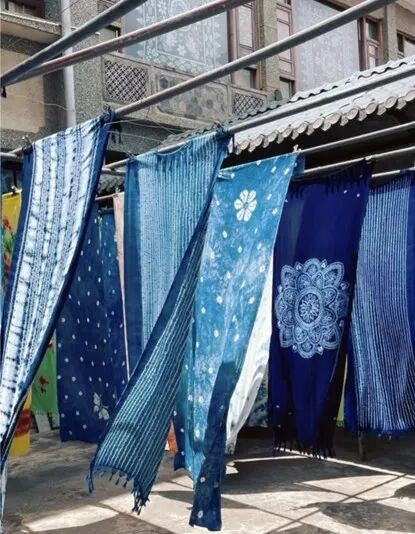
贵州蜡染的制作,必须经过四道关键工序:上蜡、绘花、脱蜡、漂洗。制作蜡染的布料,一般选用当地手工织就的白布,也可使用机织白布、丝绵或府绸。贵州盛产“蓝草”,也就是蓼蓝。这种植物高约二三尺,七月开花,八月便可收割。人们采集蓝草的叶子,放入窖池中发酵,直至其呈现出靛蓝色,染料便制作完成了。在贵州的各个乡村集市上,随处可见使用靛蓝染料的染坊,但仍有不少人更愿意买回靛蓝,在家中自行染布。
制作时,先将一块白布平铺在平整的木板或桌面上。把蜡放入陶碗或金属罐中,用炭火加热使其融化,蜡染所用的蜡主要是蜂蜡。蜂蜡的特性是,除非温度极高,否则不会溶于水。
绘花的工具是一种特制的蜡刀,它由两把或多把形状相同的铜片固定在木柄上制成。蜡刀的中部略呈凹陷状,刀刃微微张开,这样的构造便于盛放融化的蜡液。不同的图案需要搭配不同形状的蜡刀,常见的有半圆形、三角形和斧形等。
绘花是整个蜡染过程中最令人愉悦的环节。画师会先勾勒出简洁的轮廓,再在上面绘制各式各样的图案。这些图案包罗万象,既有花鸟鱼虫、剪纸纹样,也有民间传说故事和各种几何图形,并且各个民族都有着属于自己的独特风格。
接下来,将涂好蜡的布料浸入靛蓝染缸中,浸泡约45分钟。在过去,这个浸泡过程往往需要五六天的时间。布料上的蜡冷却凝固后,常会出现自然的裂纹。浸染时,染料便会渗入这些裂纹之中,形成纤细的纹路,这便是所谓的“冰纹”。冰纹是辨别正宗蜡染制品与仿冒品的关键特征。
浸染时间一到,就将布料取出,放入沸水中煮,以去除上面的蜡质。最后一步,用清水将布料漂洗干净。待漂洗完毕,布面上就会浮现出蓝白相间的精美图案,一件蜡染作品就此诞生。
有时,人们希望同一块布料上能呈现出深浅不一的蓝色,这该如何实现呢?方法其实很简单:只需在需要加深颜色的部位再次涂蜡,然后将整块布料重新浸入染缸染色即可。
要是想制作彩色蜡染,有两种方法可供选择:一种是先在布上绘制彩色图案,然后再进行整体染色;另一种则是先按照常规方法完成蜡染,待布料晾干后,再为图案填充色彩。至于彩色染料的来源,人们通常会用杨梅汁来调制红色,用黄栀子来制作黄色。
蜡染的大部分工序都依靠手工完成,至今仍无法用机器进行量产。如今,随着现代艺术家在创作中融入更多文化元素与工艺技巧,蜡染正逐渐从日常服饰用品,发展成为一门独具魅力的艺术形式。
四六级关键词,接住啦:
Indispensable 不可或缺的
Heritage 遗产;文化遗产
Ferment 发酵
Dissolve 溶解
Hollow 中空的
Elaborate 复杂精美的
Distinguish 区分
Rinse 漂洗
Authentic 正宗的
四六级暴击,小试牛刀:
Question 1: What is the main material used for making wax in batik production?
A. Soy wax
B. Beeswax
C. Paraffin wax
D. Plant wax
Answer: B
解析:答案来源于文章第7 段。该段明确提及 “Beeswax is mainly used. It doesn't dissolve in water unless the temperature is very high”,即蜡染制作中主要使用的蜡是蜂蜡。A 选项 “大豆蜡”、C 选项 “石蜡”、D 选项 “植物蜡” 均未在原文中提及,故排除。
Question 2: Which process creates the ice veins that distinguish genuine batik?
A. Waxing
B. Painting
C. Dewaxing
D. Dyeing
Answer: D
解析:答案来源于文章第9 段。该段指出 “The wax on the cloth often cracks after it hardens. The cloth is then dyed and the dyes seep into the cracks and make fine lines, which are the so-called 'ice veins'”,即染色过程中,染料渗入蜡层裂纹形成 “冰纹”。A 选项 “上蜡”、B 选项 “绘制”、C 选项 “脱蜡” 均不直接产生冰纹,故排除。
Question 3: According to the folktale, how did the use of wax in dyeing originate?
A. A girl found wax could prevent cloth from fading
B. A bee left a white dot on dyed cloth
C. A craftsman experimented with different materials
D. A minority woman invented it for clothing decoration
Answer: B
解析:答案来源于文章第3 段。该段讲述传说 “a bee happened to land on her cloth. After it flew away, she found there was a white dot left on the cloth... This discovery led to the use of wax in dyeing”,即蜜蜂在布上留下的白点启发了蜡染的诞生。A 选项 “女孩发现蜡能防褪色”、C 选项 “工匠实验不同材料”、D 选项 “少数民族妇女为装饰衣物发明” 均与原文传说不符,故排除。