汉服的第一缕风雅缀着华夏星河拂过千年,这份沉淀着数朝文脉气韵的衣冠,便以 “交领右衽、绳结暗扣” 的形制,铺展了东方美学里的 “衣冠上国”。它是中华服饰中最懂意境留白的 “行走诗画”,既将锦缎之柔藏于曲裾的庄重、襦裙的灵动,也以 “盘扣流光、绣纹寄情” 的精巧工艺,糅着盛唐的奔放与宋韵的清雅,藏着礼乐文明的厚重与天人合一的哲思。
今天,就让我们一同踏入汉服的风雅天地,品味这份浸在针丝缝线里的文明传承吧!本期让我们跟随商务英语2506班郭柯汲同学的脚步,穿梭于飘着罗裙暗香的古城街巷与缀着云纹华彩的礼仪现场,感受这份独属于汉服的雅致与深情。
蒲公“英”说书人
大家好,我是来自商务英语2506班的郭柯汲,喜欢足球,希望能通过运动和学习成为更好的自己。
原文
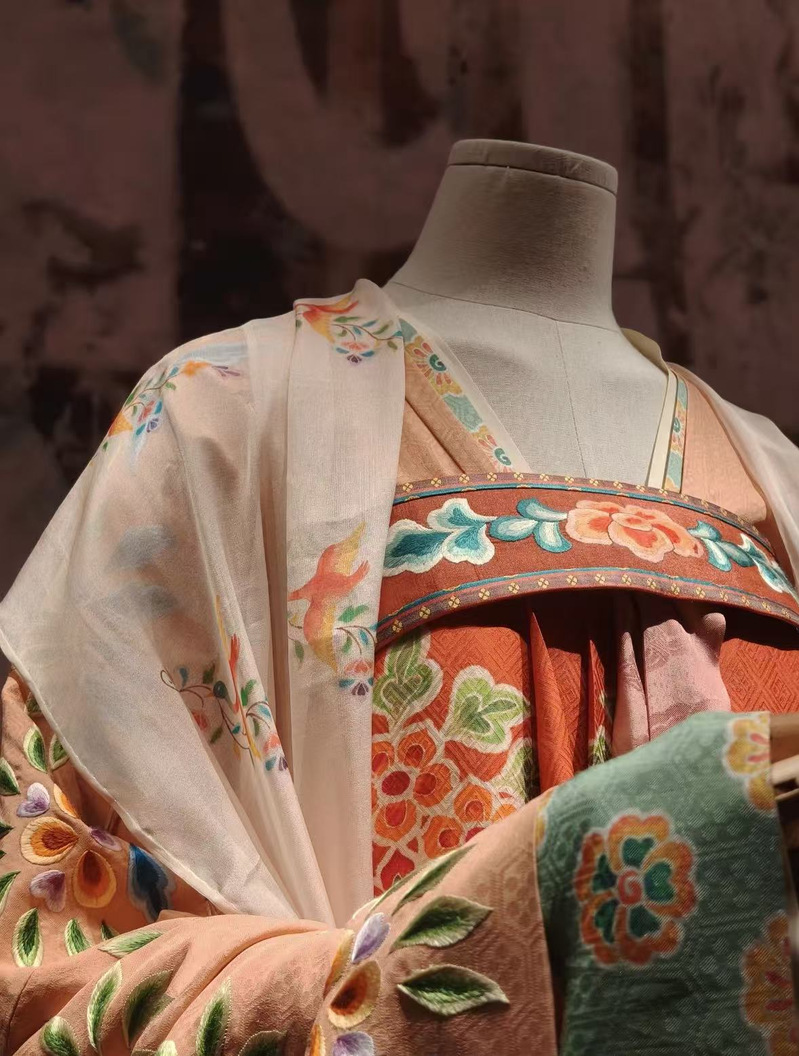
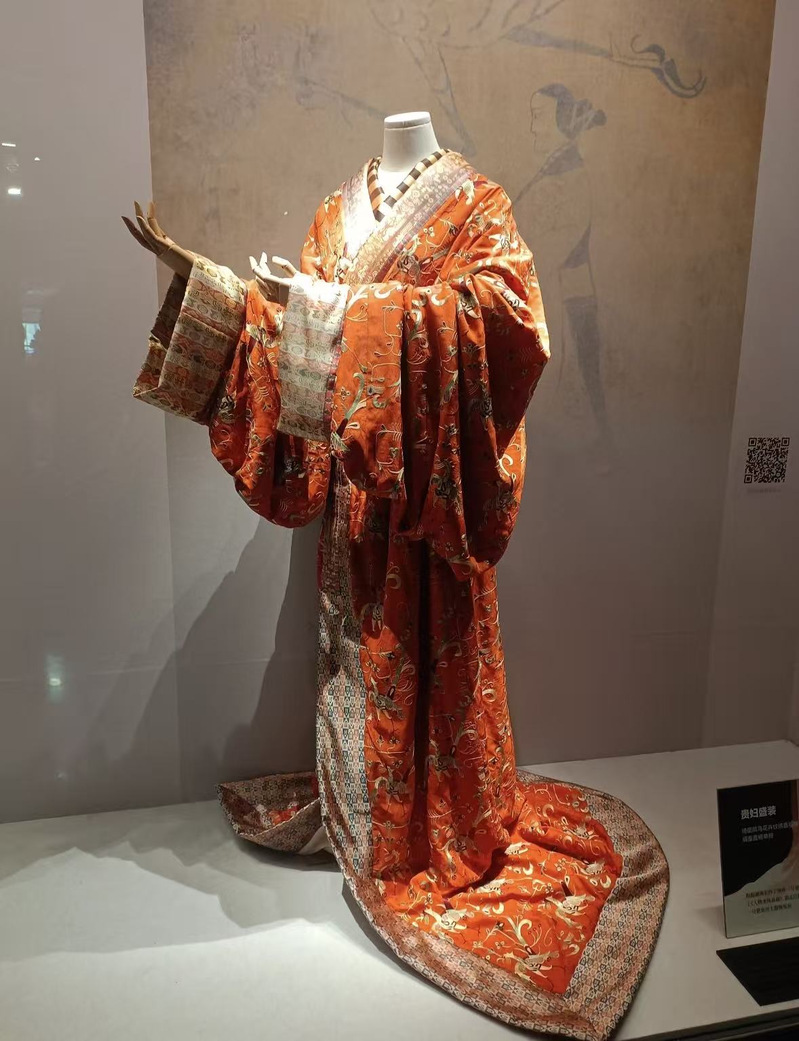
Hanfu covers a complete set of the traditional attire worn by the Han people, including clothes, headwear, hairstyles, face ornaments, shoes, and accessories. Hanfu represents more than 30 traditions of China's intangible cultural heritage. It is an embodiment of the artistry and craftsmanship of textile weaving and dyeing. China was known as huaxia in ancient times, in which the character hua implies fine attire.
Legend has it that Hanfu as a fashion style was developed by Huangdi (the Yellow Emperor) more than 4,000 years ago. It subsequently evolved with the changing times resulting in a plethora of clothing types, patterns, and craftsmanship, including daily wear for the common people and formal attire for monarchs and offi- cials, creating rigid dress codes. The y-shaped jiaoling youren is a typical style of Hanfu, featuring overlapping collars at the front that close to the right side, reflecting the traditional concept that the right side has priority. Ceremonial Hanfu typically has wide sleeves and is decorated with various patterns that reflect the wearer's iden- tity and status. It developed to fit into feudal society's hierarchy and ceremonial systems.
In addition to a focus on aesthetics, Hangfu highlights the importance of ritual conformity, and vividly reflects China's reputation as a nation prizes proper and fine attire, values etiquette, and celebrates splendor and beauty. Hanfu spread widely along the ancient Silk Road and through people-to-people exchanges, and left its mark especially on countries under the influence of Confucian culture, such as Korea, Japan, and Vietnam. Its styles and patterns have also found their way into fashions of the Western world.
本文摘录自State Council Information
Office 2024- 08- 30
译文
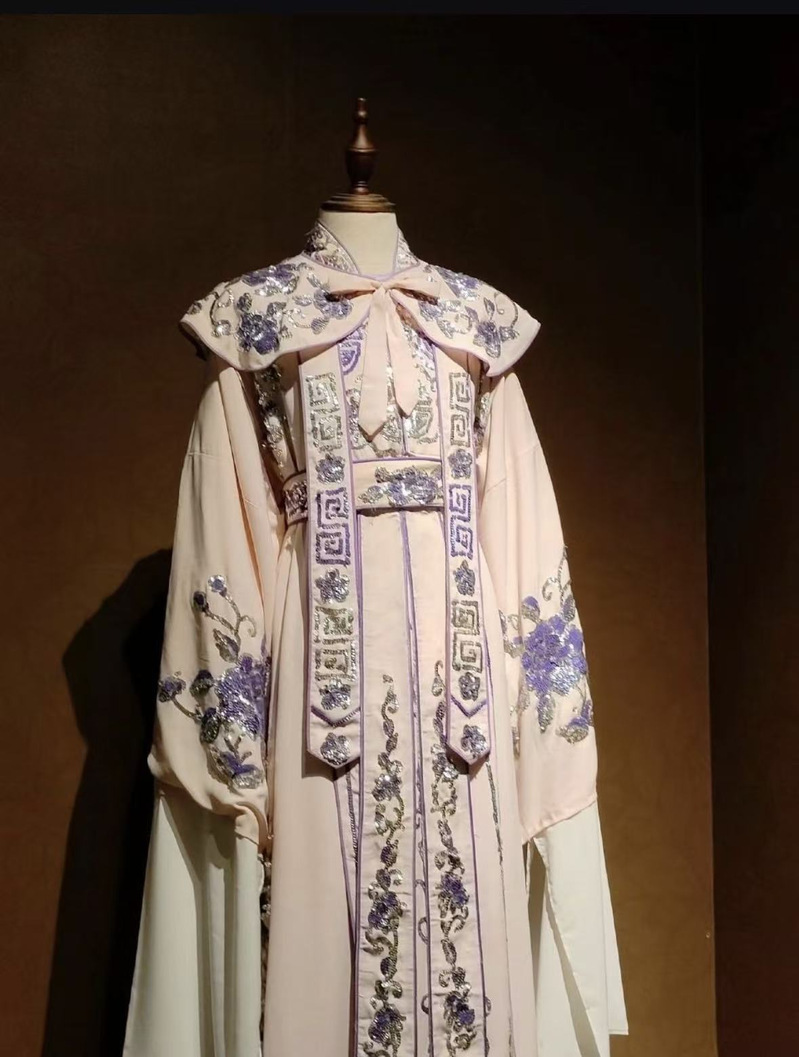
汉服是汉民族传统服饰的完整体系,涵盖衣裳、首服、发式、面饰、鞋履及配饰等多个品类。它承载着中国30余项非物质文化遗产技艺,是纺织、印染等传统工艺美学与匠心的具象体现。中国古称“华夏”,其中“华”字便蕴含着“服饰之美”的深意。
相传,四千多年前的黄帝奠定了汉服的形制基础。此后,汉服随时代变迁不断发展演变,衍生出形制、纹样、工艺各异的丰富品类——既有供平民日常穿着的便服,也有供帝王百官礼仪场合穿着的礼服,由此形成了等级森严的服饰制度。“交领右衽”是汉服的典型特征,衣襟交叠呈Y字形,向右侧掩合,这一形制映射出古人“右衽为尊”的传统观念。礼仪场合所着汉服多为宽袖形制,其上织绣的各类纹样,可彰显穿戴者的身份与地位。汉服的发展与完善,与封建社会的等级礼制体系深度契合。
汉服不仅追求外在形制之美,更注重与礼仪规范的契合,生动诠释了中国作为“衣冠上国,礼仪之邦”的深厚底蕴。经由古代丝绸之路与民间人文交流,汉服的影响广泛传播,尤其对朝鲜、日本、越南等深受儒家文化影响的国家,留下了深刻印记。其独特的款式与纹样,也逐渐融入西方时尚体系,焕发出新的生机。
四六级关键词,接住啦
Attire正式服装
Subsequently随后
Hierarchy等级制度
Embodiment化身
Plethora大量
Splendor辉煌
Craftsmanship精湛工艺
Conformity遵从
Evolve演变
四六级暴击,小试牛刀
Question 1: What is a typical feature of Hanfu's collar design?
A. crew neck
B. Y-shaped overlapping collars closing to the right
C. V-neck without fasteners
D. high collar with buttons
Answer:B
解析:答案对应原文第 2 段。该段明确提到 “The y-shaped jiaoling youren is a typical style of Hanfu, featuring overlapping collars at the front that close to the right side”,直接说明交领右衽(Y 形前交领、右襟闭合)是汉服衣领的典型特征。A、C、D 选项的衣领设计均不符合汉服传统形制描述,故排除。
Question 2: Which aspect is emphasized by Hanfu besides aesthetics?
A. comfort in daily wear
B. conformity to rituals
C. simplicity in craftsmanship
D. adaptability to modern life
Answer:B
解析:答案对应原文第 3 段。该段明确提到 “In addition to a focus on aesthetics, Hanfu highlights the importance of ritual conformity”,直接说明汉服除美学外,还强调对礼仪的遵从。A、C、D 选项在原文中未提及与 “美学之外的核心强调点” 相关内容,故排除。
Question 3: Which country was influenced by Hanfu due to Confucian culture?
A. India
B. Korea
C. France
D. Brazil
Answer:B
解析:答案对应原文第 3 段。该段明确提到 “Hanfu spread widely... especially on countries under the influence of Confucian culture, such as Korea, Japan, and Vietnam”,韩国是受儒家文化影响且受汉服波及的国家之一。A、C、D 选项的国家并非原文提及的受儒家文化影响并受汉服影响的对象,故排除。