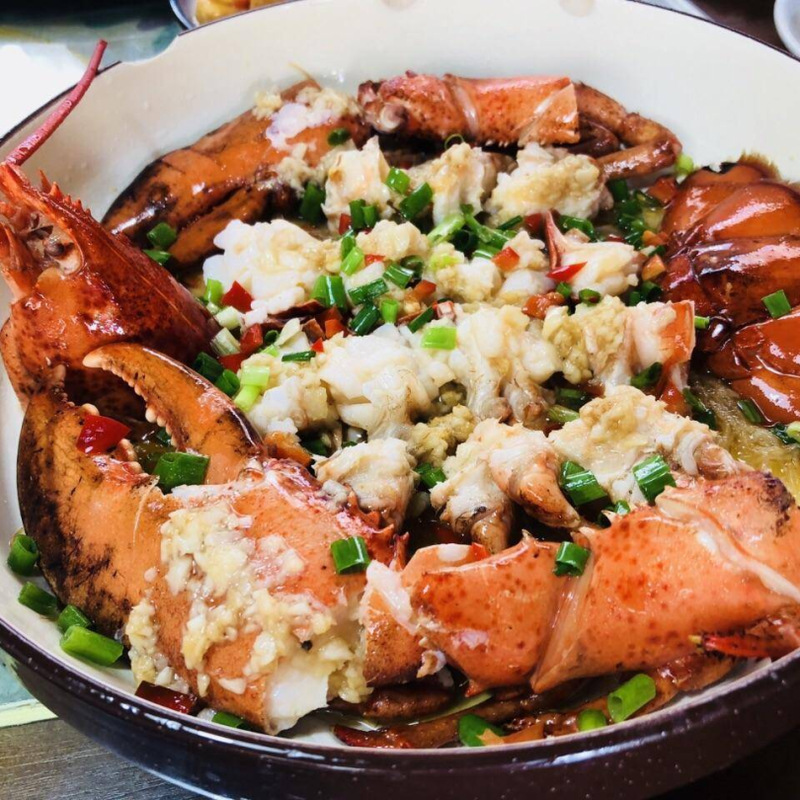
当闽菜的第一缕鲜香裹着海风漫过锅沿,这份浸满千年闽越山海气的风味,便以“香鲜醇和、汤菜同源”的底色,织就了中式菜系里的“山海交响”。它是八大菜系中最懂自然馈赠的“烟火诗行”,既将深海之味锁进佛跳墙的陈香、红鲟蒸饭的腴润,也以“糟、醉、煨、氽”的精妙手法,揉着闽南的温润与闽东的爽朗,藏着东南饮食的灵秀与山海共生的智慧。
今天,就让我们一同踏入闽菜的鲜醇天地,品味这份浸在山海食材里的烟火传承吧!本期让我们跟随商务英语2505班刘清如同学的脚步,穿梭于飘着佛跳墙陈香的百年食肆与裹着鱼丸汤暖香的市井排档,感受这份独属于闽菜的清鲜与热络。
蒲公“英”说书人:
大家好,我是来自商务英语2505班的刘清如。我喜欢游泳,看综艺,喜欢去吃每一种好吃的东西,也会记录下生活里的所有小美好。

原文:
Fujian cuisine
Fujian cuisine is one of the native Chinese cuisines derived from the native cooking style of Fujian province. Fujian-style cuisine is known to be light but flavourful, soft, and tender, with particular emphasis on umami taste, known in Chinese cooking as xianwei, as well as retaining the original flavour of the main ingredients instead of masking them.
Min Cai is an abbreviation for the Fujian cuisine which originated in Minhou County in Fujian. Fujian cuisine has developed, represented by Fuzhou, Quanzhou and Xiamen dishes etc. It is one of the major cuisines of China and enjoys pride of place amongst the culinary culture treasures of China. The cuisine’s best cooking techniques are stir-frying, sautéing, frying and simmering – steaming is the most distinctive of its techniques. Since Fujian lies in a southeastern coastal area it is abounds with various kinds of sea foods such as conger eel, razor clam, sleeve-fish, yellow croaker and sea cucumber etc. Various dishes of Fujian cuisine, therefore, are predominantly cooked with sea food as their main ingredients. Their flavors are distinctive.
The features of Fujian cuisine
The features and characteristics of Fujian cuisine: simple and elegant, fresh and tender, mild and mellow, a lingering fragrance.
Four commonly displayed qualities:
Major ingredients are those of sea food and food from mountainous regions. Fujian is advantageously situated near both mountains and coastal areas. There are mountainous areas to the north of Fujian and its coastal area is in the south. The boundless mountainous areas are rich in mushrooms, bamboo shoots, tremella, lotus seeds and mountain delicacies such as paa spinosa, river eel and soft-shelled turtles etc. The long shallow seas of the Fujian coastline are rich in the high-quality sea food such as fish, shrimp, oyster and sturgeon etc., the supplies of which are year round.
The cuisine’s cutting techniques are exquisite and taste is paramount. Cutting techniques are of great importance to cooking Fujian cuisine, and all cutting techniques were developed with taste taken into consideration. The original flavor and character of the raw materials should be revealed by means of cutting techniques. The showy, insubstantial and artificial cutting techniques are prohibited. The natural beauty of raw materials is incorporated in dishes and flavors should be refreshing, integrated and transparent. The dishes should be cooked to a turn both inside and outside, and their forming should be natural and dignified. The “sliced whelk in a nest” is a typical dish that has the appearance of a blooming peony thanks to the cutting techniques and proper duration of its cooking – it is pleasing to the eye and tastes crisp, tender and delicious.
Soups are exquisite and rich in variation. The soup is a very important element of Fujian cuisine, which is associated with the cooking of sea food and traditional eating customs. For a long time, chefs of Fujian cuisine have attached great importance to the ensuring of fresh quality, pure flavors and nourishment features of the raw ingredients. It has been found through cumulative experience, that the use of soup is the most effective means for maintaining the naturally occurring and original flavors of ingredients. There are, therefore, many kinds of soup in Fujian cuisine and they are all exquisite. Some are white as milk, sweet, refreshing and tasty; some are as clear as water, bright-colored and delicious; some are golden and transparent, full of fragrance; some are thick and dense with a strong color, mellow and fragrant in taste. “Braised sea clam with chicken soup” is a representative dish of Fujian cuisine. Its chicken soup is not merely a chicken soup but an elaborate soup “made from three velvet-like ingredients”, i.e. extracts of hen flesh, pork tenderloin and beef. The ingredients are quickly boiled in with Fujian sea clam. Consumption of the dish leads to a relaxed and happy feeling, and it has a lingering aftertaste.
Fujian cuisine’s cooking process is exquisite and its seasoning is of great importance. The exquisite cooking is evident in the meticulous choice of materials, proper soaking, precise seasoning, fantastic soup making and precise timing in cooking etc. The importance of seasoning is demonstrated by the maintenance of original flavors. Sugar is used to eliminate fishy odors and the smell of mutton. Fujian cuisine makes the best use of vinegar, as acid can be both tasty and refreshing. Light tastes contribute to the maintenance of original flavors. Fujian cuisine is, therefore, famous for its agreeable sweetness and acidity.
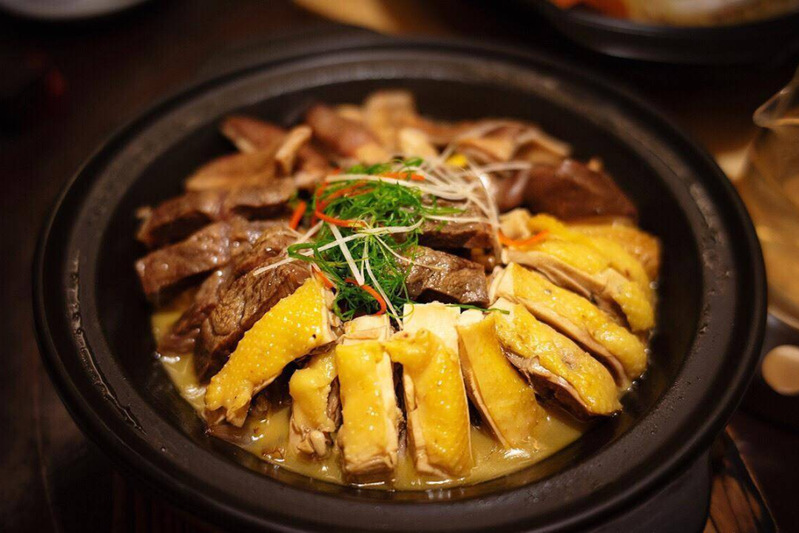
Fujian Cuisine has a lot of famous dishes, such as: Buddha skipping the wall, soaked and wined chicken, hot and sour squid, sliced wined chicken, Tai Chi prawn, steamed bream and lychee-sharped pork etc.
【本文摘录自CHINESEFOOD 2019-12-28】
译文:
闽菜
福建菜是中国传统菜式之一,源于福建省。福建菜具有淡雅、鲜嫩、和醇、隽永的味道,保持原味的鲜味的做法是其他菜式无与伦比的地方。
闽菜是福建菜的简称,起源于福建省闽候县。它以福州、泉州、厦门等地的菜肴为代表发展起来。它是中国烹饪主要菜系之一,在中国烹饪文化宝库中占有重要一席。烹调方法擅长于炒、溜、煎、煨,尤以“糟”最具特色。由于福建地处东南沿海,盛产多种海鲜,如海鳗、蛏子、鱿鱼、黄鱼、海参等,因此,多以海鲜为原料烹制各式菜肴,别具风味。
闽菜的特点
闽菜的风格特色是:淡雅、鲜嫩、和醇、隽永。
主要表现在四个方面:
烹饪原料以海鲜和山珍为主。由于福建的地理形势倚山傍海,北部多山,南部面海。苍茫的山区,盛产菇、笋、银耳、莲子和石鳞、河鳗、甲鱼等山珍野味;漫长的浅海滩涂,鱼、虾、蚌、鲟等海鲜佳品,常年不绝。
刀工巧妙,一切服从于味。闽菜注重刀工,而且一切刀均围绕着“味”下功夫,使原料通过刀工的技法,更体现出原料的本味和质地。它反对华而不实,矫揉造作,提倡原料的自然美并达到滋味沁深融透,成型自然大方、火候表里如一的效果。“雀巢香螺片”就是典型的一菜,它通过刀工处理和恰当的火候使菜肴犹如盛开的牡丹花,让人赏心悦目又脆嫩可口。
汤菜考究,变化无穷。闽菜重视汤菜,与多烹制海鲜和传统食俗有关。闽厨长期以来把烹饪和确保原料质鲜、味纯、滋补联系起来,从长期积累的经验认为,最能保持原料本质和原味的当属汤菜,故汤菜多而考究。有的白如奶汁,甜润爽口;有的汤清如水,色鲜味美;有的金黄澄透,馥郁芳香;有的汤稠色酽,味厚香浓。“鸡汤氽海蚌”就是有代表性的一菜,它的“鸡汤”不是单纯的“鸡”汤,而是经过精心制作的“三茸汤”,取料于母鸡、猪里脊、牛肉提炼而成,氽入闽产的海蚌后,让人心旷神怡,回味无穷。
烹调细腻,特别注意调味。闽菜的烹调细腻表现在选料精细、泡发恰当、调味精确、制汤考究、火候适当等方面。特别注意调味则表现在力求保持原汁原味上。善用糖,甜去腥膻;巧用醋,酸能爽口,味清淡则可保持原味。因而有甜而不腻,酸而不淡而不薄的盛名。
闽菜著名的菜肴有佛跳墙、醉糟鸡、酸辣烂鱿鱼、烧片糟鸡、太极明虾、清蒸加力鱼、荔枝肉等。
四六级关键词,接住啦
Frying 炸
Technique 技巧
Treasure 珍宝
Represent 代表
Abbreviation 简写
Retain 保留
Emphasis 强调
Particular 特别的
Tender 嫩的
四六级暴击,小试牛刀
1.What is the abbreviation of Fujian cuisine?
A. Min Cai
B. Fu Cai
C. Jian Cai
D. Quan Cai
Answer:A
解析:答案对应原文第2段。该段明确提到“Min Cai is an abbreviation for the Fujian cuisine”,直接说明闽菜的缩写是“闽菜(Min Cai)”。B、C、D选项均为无依据的干扰项,并非闽菜的标准缩写,故排除。
2.Which cooking technique is the most distinctive of Fujian cuisine?
A. Stir-frying
B. Steaming
C. Simmering
D. Frying
Answer:B
解析:答案对应原文第1段。该段指出“The cuisine’s best cooking techniques are stir-frying, sautéing, frying and simmering – steaming is the most distinctive of its techniques”,明确蒸制是闽菜最具特色的烹饪技法。A选项炒、C选项煨、D选项炸均为闽菜的优秀技法,但并非最具特色的一种,故排除。
3.What is the key function of sugar in Fujian cuisine seasoning?
A. Enhance sweetness
B. Eliminate fishy odors
C. Improve transparency
D. Increase thickness
Answer:B
解析:答案对应原文第5段。该段提到“Sugar is used to eliminate fishy odors and the smell of mutton”,直接说明糖在闽菜调味中的核心作用是去除鱼腥和羊膻味。A选项增加甜味、C选项提升透明度、D选项增加浓稠度均未在原文中提及是糖的功能,故排除。